In France, the law has required the installation of a safety device for any non-enclosed in-ground private pool since 2004. However, many owners still do not realize that some shelter systems do not always meet the minimum protection requirements.
The addition of a guide rail transforms the handling of the shelter while ensuring optimal closure, without compromising safety. This technical solution limits the risk of accidents and facilitates every use, thus becoming a decisive criterion when choosing a compliant and functional device.
Guide rails for pool shelters: an essential asset for safety and ease of use
In terms of pool shelter safety, everything relies on robust and proven solutions that reassure families and ensure compliance with regulations. In this regard, the guide rail for pool shelters clearly stands out. This device structures the movement of the shelter, prevents any unexpected derailment, and effectively blocks access to the pool, including for young children. Its design, firmly anchored in the ground, limits weak points and significantly reduces incidents due to improper closure.
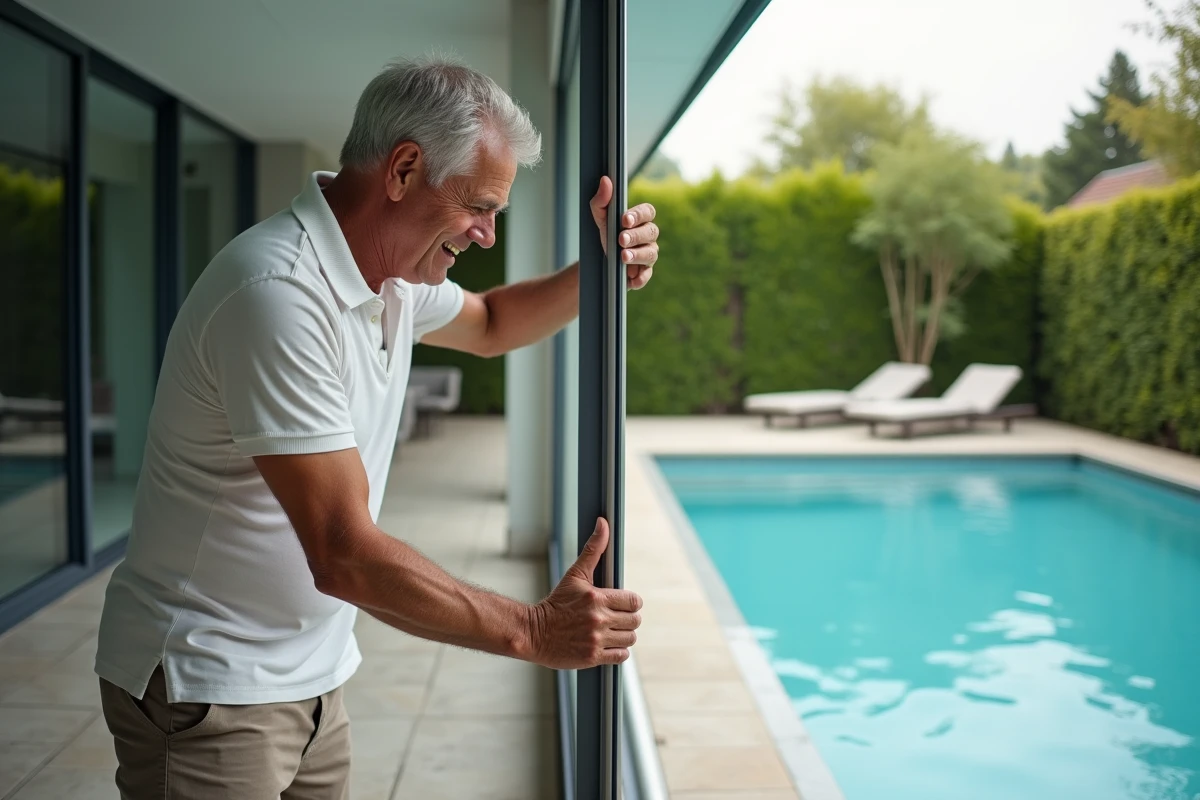
In daily life, the practicality of pool shelters quickly becomes an indispensable asset. Thanks to the rail, moving a sliding pool shelter or telescopic shelter requires only a slight effort, even for one person, and over long distances. This ease of use simplifies the management of your pool: opening, closing, protecting, everything becomes smoother while preserving the quality of the modules. As a result, the reliability of the system extends the lifespan of the entire installation.
Versatile, the guide rail for pool shelters adapts to many models: low height, discreet design, compatibility with different ranges, from sliding pools to telescopic pools. Manufacturers offer custom solutions designed to fit precisely to each terrain configuration. Pool maintenance is also simplified: fewer leaves accumulating, better protection against the elements, and easier maintenance.
Here are the concrete benefits to remember:
- Enhanced safety: locked access, compliance with regulations.
- Ease of use: effortless handling, simplified daily use.
- Durability: less wear on components, easier maintenance.
What criteria should you consider when choosing the right system for your pool?
Before installing a shelter, take the time to assess the configuration of your pool and its surroundings. The pool shelter structure must adjust to the dimensions, shape, and characteristics of the terrain. A flat pool shelter focuses on discretion but requires particular attention to the robustness of the ground rail. On the other hand, a sliding pool shelter or removable shelter offers flexibility of use, ideal for larger volumes.
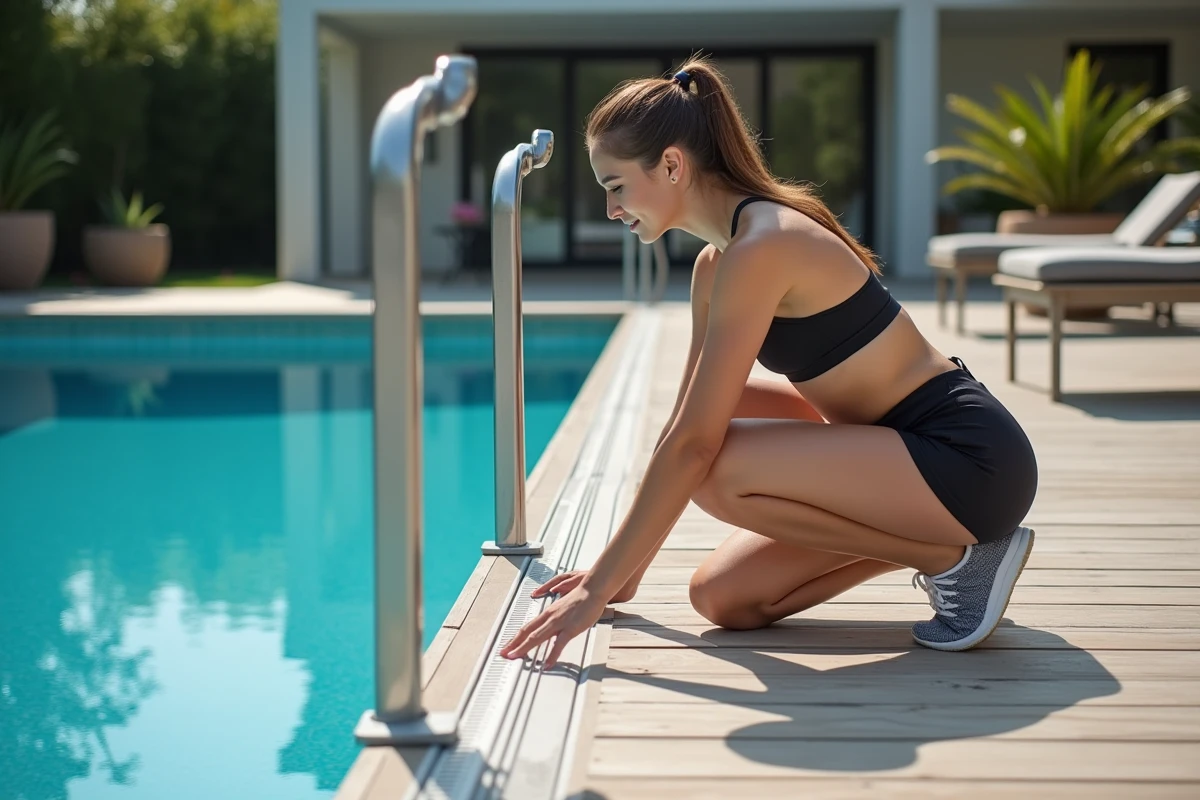
The type of shelter will guide your technical choices. For a telescopic pool shelter, opt for a precise guiding system that ensures smooth movement. The height of the rail also plays a role: a low model minimizes bulk, reduces tripping risks, and makes cleaning the coping easier.
Also consider the budget: the price of a pool shelter largely depends on the materials, the complexity of the rail, and the chosen customization options. A well-thought-out project enhances your property and reduces long-term maintenance costs. It is essential to check the compatibility between rail and pool shelter: an unsuitable rail can harm the sealing and complicate handling.
Maintenance should not be overlooked. Prefer a rail resistant to corrosion and easy to clean: fewer interventions, more peace of mind. Easy use encourages frequent enjoyment of the shelter, regardless of the season.
Legislation, safety, and professional support: everything you need to know before installing a pool shelter
Pool safety is governed by strict regulations. For several years, the French law on pool shelters has mandated the implementation of pool protection devices to limit drownings, particularly among children. Pool shelters must comply with the NF P90-309 standard, which details the expected levels of resistance, locking, and access. A compliant pool shelter combines peace of mind with enjoyment of use, without compromising the site’s aesthetics.
Before starting your pool shelter installation, inform yourself about the administrative procedures to anticipate. Depending on the size and height of the shelter, a prior declaration or building permit may be required. Each municipality sets its rules: the urban planning department will guide you and help you anticipate the timelines.
Why surround yourself with a professional?
Here’s what expert support brings:
- A pool shelter installation carried out according to the rules of the trade guarantees the reliability of the structure and compliance with pool shelter safety requirements.
- The professional masters the technical constraints, from the choice of the ground rail to the integration with existing copings.
- His expertise reduces uncertainties during installation and ensures harmonious integration into the garden environment.
The price of a shelter reflects the quality of advice, materials, and follow-up. Relying on a recognized specialist avoids many mistakes and guarantees flawless safety and impeccable compliance of the pool shelter in France.
A well-chosen rail promises serene swims, a durable shelter, and summer evenings without unpleasant surprises. The real choices often lie in the technical details: let’s make sure they weigh on the right side of the scale.