The MaPrimeRénov’ scheme is going through a period of uncertainty since its suspension in January 2026, awaiting the budget vote. The eligibility conditions, fundable actions, and required documents have evolved compared to previous years. Submitting a file based on the practices of 2024-2025 exposes one to outright rejection. Here, we detail the technical points that differentiate a receivable file from months lost.
Energy audit and new DPE coefficient: the first rejection filter
The increase in the electricity conversion coefficient in the DPE calculation alters the energy classification of many homes heated by electricity. A property classified as F with the old coefficient may switch to E, which changes the amount of accessible grant, or even eligibility for certain pathways.
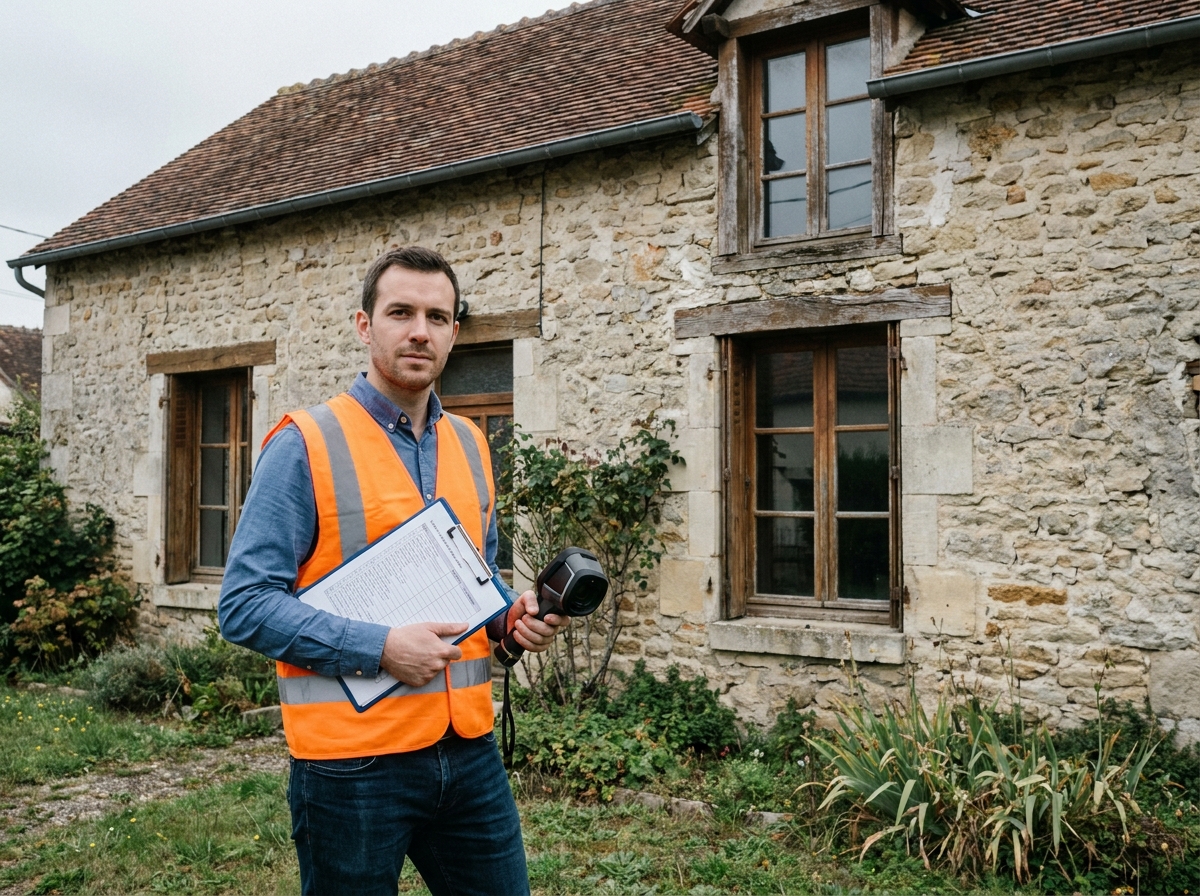
Rejections of files related to energy audits conducted before this update are multiplying. An audit compliant with the old calculation rules will be systematically refused. Before any application, ensure that your diagnostician is applying the current reference framework.
To find out if your home remains eligible with these new parameters, the detailed criteria of ma prime renov provide clarity before ordering an audit. A non-compliant audit represents several hundred euros lost.
ANAH anti-fraud certificate: mandatory document for any new file
If the MaPrimeRénov’ scheme is reinstated after the budget vote, any new file must include a certificate of non-conviction for aid fraud from the national ANAH fraud database. This document aims to expedite the processing of legitimate requests by filtering problematic files in advance.
Specifically, this certificate is generated when creating an account on maprimerenov.gouv.fr. The system automatically queries the ANAH database. If the applicant (or their representative) is listed in this database, the submission is blocked.
The key technical point to remember: in the case of a designated representative for submitting the file, it is the requesting property owner who is subject to verification, not the representative. The ANAH brochure specifies that the application can be submitted by “any person of their choice designated as a representative,” including the Renov’ Accompanist, provided that a mandate is signed.
For owners wishing to delegate the administrative setup, homji, created by Crédit Mutuel Alliance Fédérale, offers free support. The platform selects certified RGE craftsmen and handles the preparation of the aid file. If MaPrimeRénov’ is reinstated, the amount of grants may be advanced to avoid any cash flow delays. An online simulator allows estimating the remaining charge.
Inherited thermal sieves: appointing a third party before accepting succession
Heirs of properties classified G in the DPE often find themselves in a situation of frequent blockage. The succession has not yet been accepted, but the regulatory timeline is advancing: gradual prohibition of renting thermal sieves, degradation of the property, accumulating energy charges.
The mechanics of the MaPrimeRénov’ mandate offer a little-exploited solution. A presumptive heir can designate a representative to initiate preliminary administrative steps, even if the succession is not settled. Here are the technical conditions to meet:
- The mandate must be signed by at least one of the co-owners identified as having rights, with explicit mention of the property’s address and the nature of the authorized actions (file submission, collection of quotes, exchanges with ANAH)
- Quotes from certified RGE craftsmen can be requested and attached to the file before the property is formally transferred, provided that the work does not begin before the aid application is submitted
- The reference tax number used is that of the deceased owner for the reference year, or that of the heir if the succession is partially settled with the tax authorities
- In case of disagreement among co-heirs, the representative can only engage in administrative steps, not the works themselves, which limits the risk of family blockage
This approach allows for the preparation of a complete file (audit, RGE quotes, aid simulation) during the months that the succession lasts, to submit the application as soon as the legal situation allows.
Eligible actions: what could remain fundable after the announced cuts

In the latest versions of the scheme before the suspension, wall insulation and biomass boilers had been excluded. The list of fundable actions in the action pathway was refocusing on:
- Heat pumps (air/water, geothermal, solar thermal) and thermodynamic water heaters
- Solar thermal equipment for heating or hot water
- Wood stoves and inserts (excluding biomass boilers), subject to compliance with the technical criteria of the current decree
- Insulation of ground floors and attics (walls were no longer covered)
- Mechanical ventilation, with notable prioritization in certain regions through complementary local grants
The action pathway remained accessible to all owner-occupiers or landlords, without income conditions for submission, but with grant amounts adjusted according to four income brackets (very modest, modest, intermediate, higher). The reference tax income and the number of people in the household determined the bracket. These parameters could evolve if the scheme is relaunched in a modified form.
Cumulative aids and financial setup: CEE, local grants, and regulated loans
Before the suspension, MaPrimeRénov’ action pathway was cumulative with energy savings certificates (CEE). The two aids were calculated independently, but the total of public aids could not exceed a ceiling related to the cost of the works. This principle of capping should be maintained regardless of the future form of the scheme.
Local grants represent an underutilized lever. Some communities prioritize actions related to ventilation in densely populated urban areas. These supplements add to the amount of national aids without replacing the CEE.
Regarding financing the remaining charge, the Éco-PTZ remains available as a complement. The Renovation Advance Loan, aimed at modest households owning thermal sieves, allows for capital repayment only upon the sale of the property.
The energy renovation file is prepared before the first call to a craftsman. Audit compliant with the new DPE coefficient, ANAH anti-fraud certificate, correctly drafted mandate in case of joint ownership, verification of still eligible actions: each missing or obsolete document delays the project by several months, whether the MaPrimeRénov’ scheme is reinstated as is or replaced by a new mechanism.