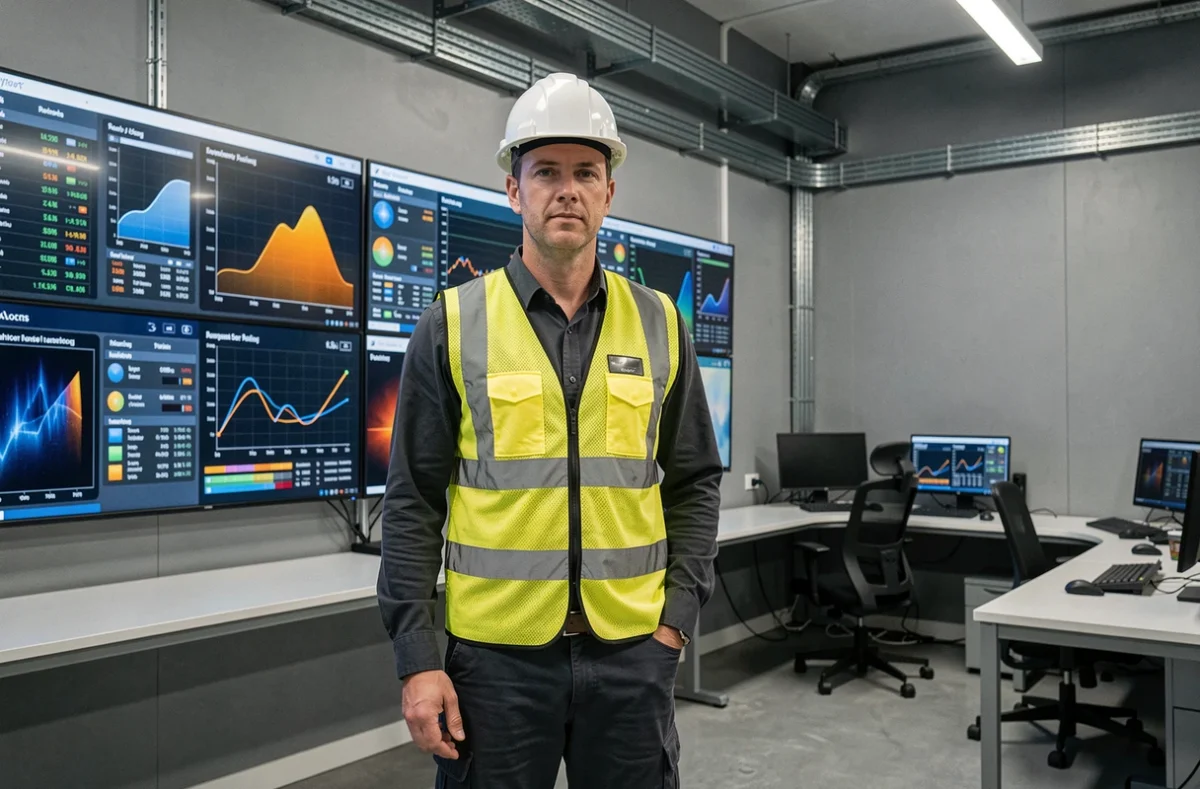
The new European Machinery Regulation incorporates cybersecurity as a component of equipment safety and sets requirements for safety functions based on self-evolving machine learning. European manufacturers must now consider digital risks alongside mechanical and electrical risks in their compliance assessments.
Software updates and machinery compliance: an underestimated regulatory risk
A scenario is becoming increasingly common at industrial sites: a software vendor deploys an update to a programmable logic controller or control system to fix a cybersecurity vulnerability, and the change alters how the machine behaves. According to Bureau Veritas, a digital modification that creates or increases existing risks may be considered substantial. The party making the change may then have to assume a manufacturer’s responsibilities and reassess the equipment’s compliance.
This situation puts operators in an uncomfortable position. They do not always know the exact contents of updates pushed by a supplier, yet they are responsible for ensuring their installations comply. Documenting every software version and tracking its effects on safety functions is becoming an operational necessity even before it becomes a regulatory requirement.
Companies managing heterogeneous fleets of machinery can find structured resources on risi.fr to map these industrial safety issues and manage compliance as digital technologies evolve.
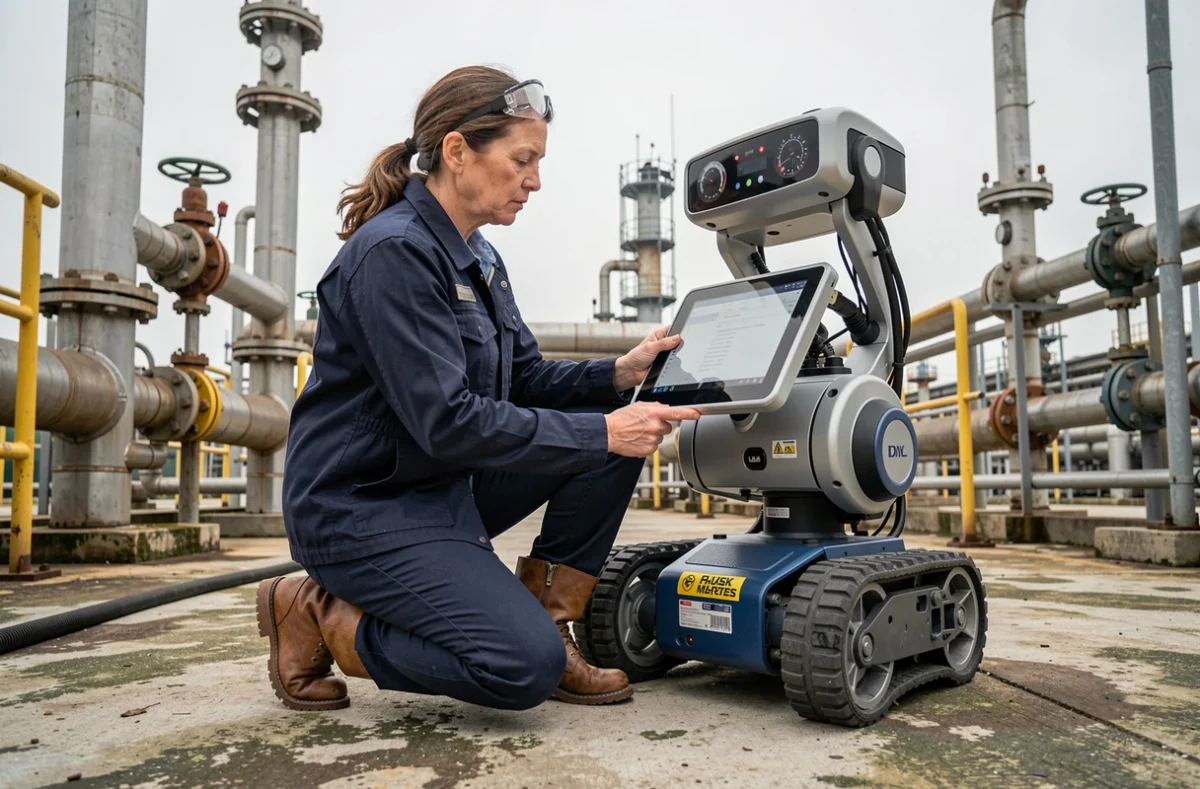
Artificial intelligence and worker monitoring: the regulatory boundaries of the AI Act
AI applications for occupational risk prevention are advancing rapidly. Systems analyze video feeds to detect when PPE is not being worn, identify dangerous postures, or predict mechanical failures. The benefits for prevention are real.
The European AI Act timeline distinguishes between AI systems according to their purpose and risk level. Some systems related to worker management fall into regulated categories, which entails transparency and human oversight requirements. A prevention tool that collects behavioral data about employees may be classified as high-risk, depending on its stated purpose and the data it processes.
The issue goes beyond technical performance. It concerns informing employees, the scope of data collected, access rights, and oversight arrangements. A fatigue detection system based on facial analysis, for example, raises different concerns from a vibration sensor on a hydraulic pump.
Harmonized standards lag behind schedule
The European Parliament has flagged delays in developing the harmonized standards intended to support the application of the AI Act’s requirements. For manufacturers, this makes it harder to demonstrate that their safety-related AI systems comply. In the absence of a stable technical framework, anticipating documentation and software version traceability remains the only defensible strategy.
NIS 2 Directive and Resilience Bill: technological risks beyond equipment
The NIS 2 Directive broadens the concept of technological risk far beyond the security of physical equipment. In France, its transposition had not been completed at the time of writing. The draft Resilience Bill is intended to strengthen several areas:
- Direct management responsibility for cybersecurity, including at classified industrial sites
- Business continuity preparedness in the event of a cyber incident affecting control systems
- Consideration of service providers and suppliers in risk assessments, directly affecting security systems integrators
Industrial companies should check whether they fall within the directive’s expanded scope. Confusing the draft Resilience Bill with obligations already in force would be a mistake, but failing to prepare for it would be another. Once the legislation is transposed, organizations that have not planned ahead may face tight compliance deadlines.
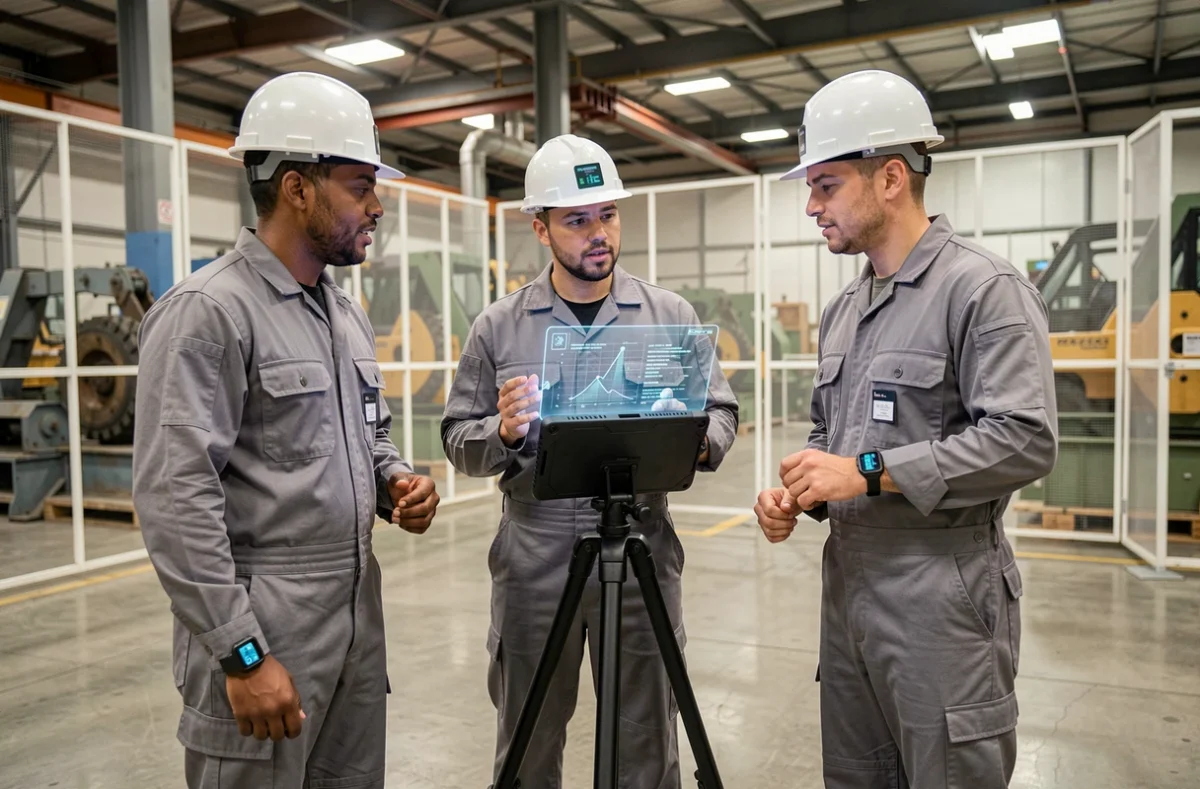
IoT sensors and predictive maintenance: how data changes risk assessment
Connected sensors deployed on industrial equipment (vibration, temperature, pressure, acoustics) feed predictive maintenance models. The stated aim is to replace calendar-based maintenance schedules with interventions triggered by the machines’ actual condition.
In practice, prediction quality depends on the quality and depth of historical data. A model trained on just a few months of an installation’s operation will not cover rare failure modes—the very ones that cause serious accidents. Low-probability, high-impact scenarios remain the blind spot of purely statistical approaches.
Reliability data and unstructured incident reports
ICSI (the Institute for an Industrial Safety Culture) highlights the value of using deep learning models to process anomaly reports written in unstructured natural language. Accumulated over decades as free-text entries in incident feedback databases, these reports contain weak signals that a human analyst cannot systematically cross-reference.
The structural opacity of the neural networks used for this processing presents a specific challenge: safety demonstration techniques applied to conventional software (deterministic and auditable line by line) do not work for these systems. Their nondeterministic nature and ability to evolve with new data mean that each version may reach different conclusions from the previous one.
Taken together, these regulatory and technical developments point to a landscape in which industrial risk management is no longer limited to mechanics and chemistry. Compliance is becoming an ongoing process that incorporates software, data, and cybersecurity at every stage of an equipment’s life cycle. Companies that address these areas separately risk creating blind spots that neither a sensor nor an algorithm can fill on its own.