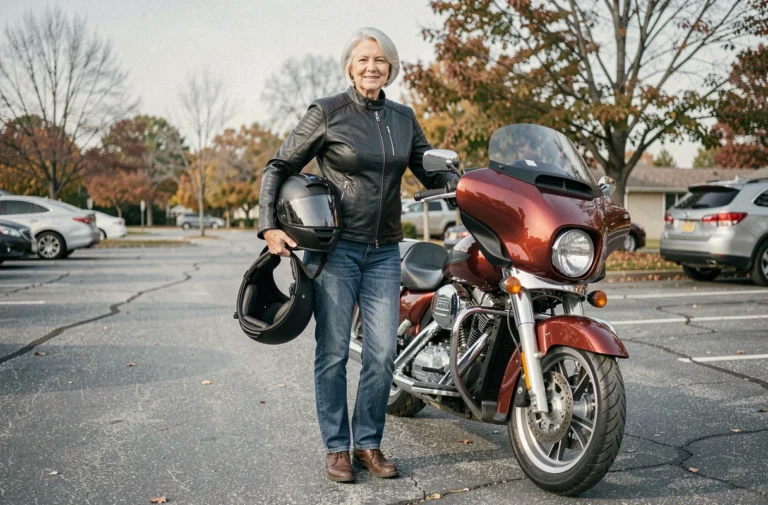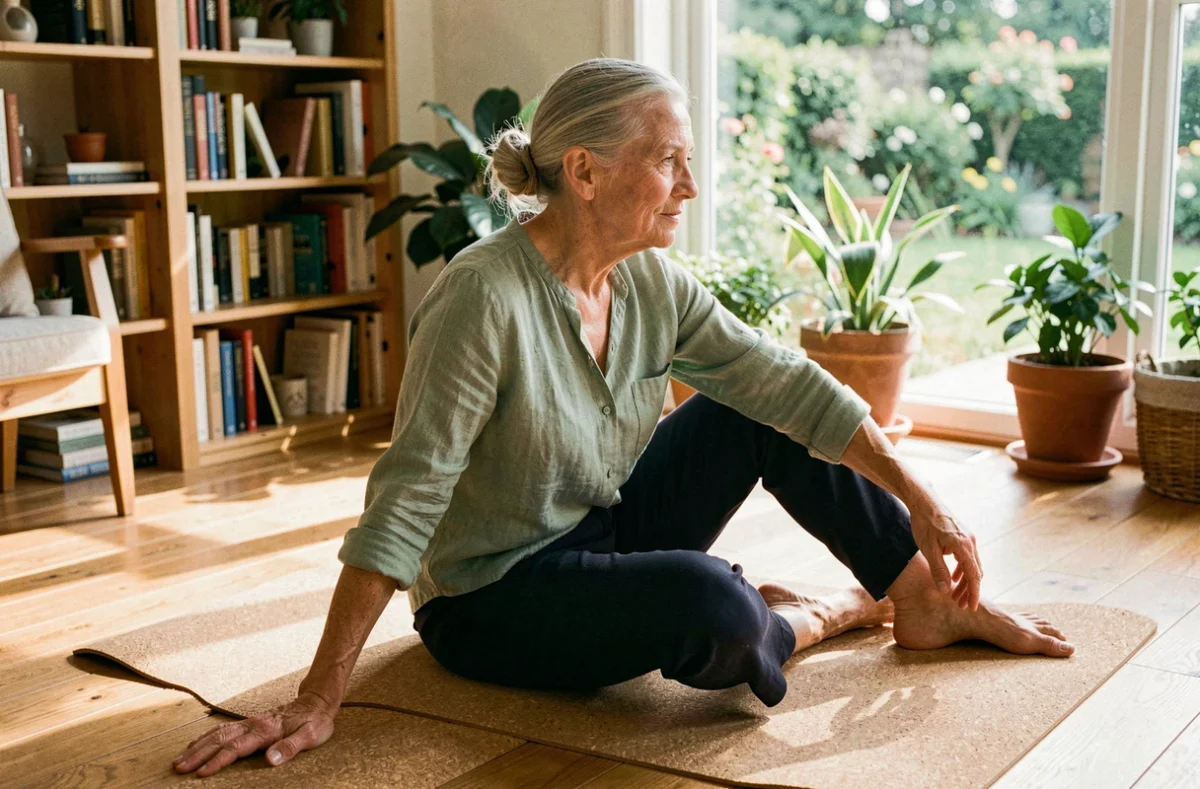
In France, the proportion of the population aged over 60 continues to grow, bringing with it the question of how to remain at home safely and comfortably. Recent public policies have changed the framework: the law of 8 April 2024 provides for a national programme of early screening and prevention of loss of independence from the age of 60.
Initiatives such as “Mon Bilan Prévention” and MaPrimeAdapt’ reflect a shift towards a personalised approach, moving away from generic recommendations. Healthy ageing is no longer just about eating fruit and walking for thirty minutes a day.
Preventive health check-ups after 60: a service that is still underused
The “Mon Bilan Prévention” programme is aimed in particular at people aged 60 to 65 and 70 to 75. The appointment, conducted by a healthcare professional, covers lifestyle habits, social wellbeing, vaccinations and screening. It leads to personalised priorities and a practical action plan.
The value of this check-up lies in turning a vague concern (“I feel less steady,” “I get tired more quickly”) into measurable goals. For someone who lives alone and is beginning to lose confidence when getting around, this appointment is an important first step. It can help determine whether the perceived frailty is due to muscle deconditioning, a vision problem, unsuitable medication or a combination of factors.
Among the resources available to help organise this process, SanaVitae’s advice for seniors outlines several prevention strategies tailored to individual circumstances.
The national programme introduced by the law of 8 April 2024 goes further by establishing systematic screening for frailty. The aim is to intervene before loss of independence sets in, directing people towards appropriate support rather than offering the same advice to everyone.
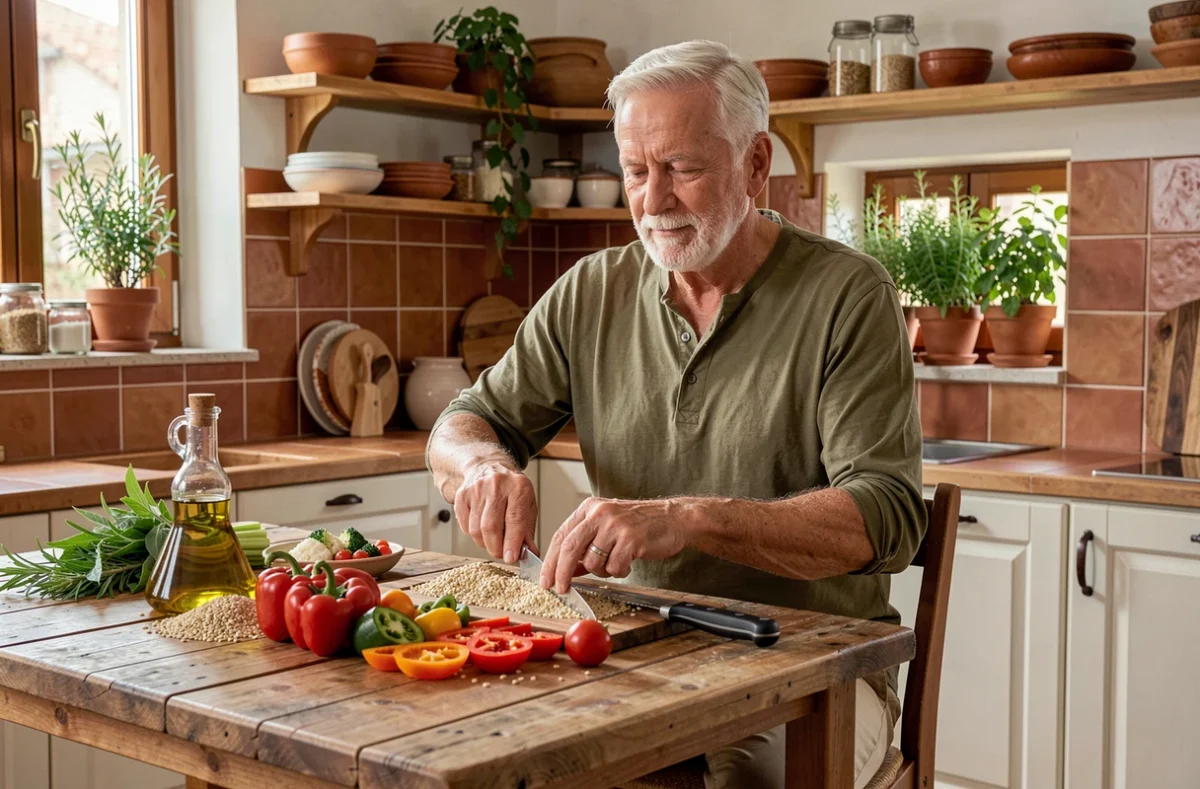
Adapt your home before a fall: MaPrimeAdapt’ and priority improvements
Falls at home remain one of the leading causes of loss of independence among older people. Waiting for an accident to happen means dealing with an emergency rather than taking preventive action. MaPrimeAdapt’, introduced in 2024, funds home adaptations for low- and very low-income households.
The eligible work is not limited to installing a grab bar in the shower. The grant can cover more substantial modifications:
- Replacing a bathtub with a level-access shower featuring a fold-down seat and non-slip flooring, reducing the risk of slipping during daily bathing.
- Installing handrails in hallways and on stairs, including automatic motion-sensor lighting for getting around at night.
- Reconfiguring the kitchen (a worktop accessible from a seated position, storage at a suitable height) to reduce reaching overhead or losing balance.
- Widening doorways and removing thresholds in anticipation of possible use of a walking frame or wheelchair.
For someone living alone who is beginning to feel anxious about moving around at home, having an occupational therapist carry out an assessment before work begins can help avoid unsuitable adaptations. The occupational therapist assesses everyday routes through the home and identifies areas of risk specific to the occupant.
Vaccinations for seniors: an evolving schedule
Vaccination is an integral part of prevention, but the schedule has undergone several recent changes that many seniors may not know about. According to a Santé publique France document on the 2025-2026 season, vaccination against shingles and pneumococcal infections has been recommended for people aged 65 and over since 2025.
Vaccination against RSV (respiratory syncytial virus) is recommended for people aged 75 and over, as well as certain adults aged 65 to 74 with chronic heart or respiratory conditions. These recommendations are in addition to the annual flu vaccination, which is already widely known.
During a preventive health check-up, a healthcare professional can review vaccination status and recommend any catch-up doses needed. For someone living alone, a severe respiratory infection can lead to hospitalisation and a cascading loss of independence. Keeping vaccinations up to date acts as a safety net against this scenario.
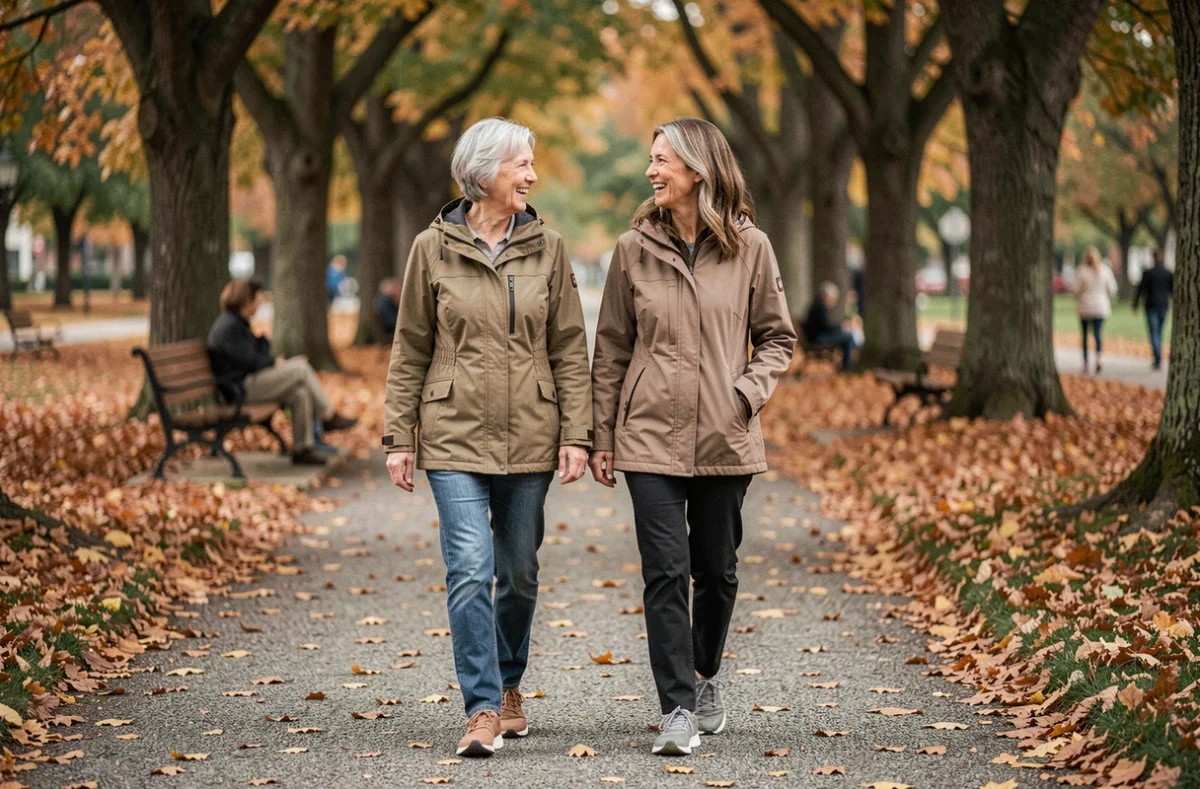
Adapted physical activity: moving beyond generic advice
Simply saying “get moving” is not enough when someone is afraid of falling on the way to their mailbox. Physical deconditioning caused by fear of falling creates a vicious cycle: the less you move, the more you lose your balance and muscle strength, and the greater your fear becomes.
Adapted physical activity (APA) programmes led by trained professionals provide targeted work on balance, proprioception and lower-limb strength. Sessions are available in groups or individually, and sometimes at home for people who are particularly frail.
A preventive health check-up can help people access these programmes. Some pension funds pay for a series of sessions. The goal is not to run a marathon, but to regain the confidence needed to get around independently at home and outdoors.
Spotting signs of frailty in everyday life
A few specific indicators should raise concern:
- Unintentional weight loss over a few months, even if slight, which may indicate the early stages of malnutrition.
- Unusual fatigue or a slower walking pace, noticed by family and friends or during familiar journeys.
- Gradual social isolation, with a growing reluctance to go out or take part in activities once enjoyed.
These signs are not a diagnosis, but they warrant a consultation and consideration of a structured assessment. Identifying frailty before it leads to dependence remains the guiding principle behind all the initiatives introduced since 2024.
Combining preventive health check-ups, home adaptations, up-to-date vaccinations and targeted physical activity creates a coherent approach. None of these measures works in isolation; it is their combination, tailored to each individual situation, that helps preserve independence at home over the long term.