
In the used car market, a model is almost never problematic as a whole. The risk is concentrated on a specific engine, transmission, or model year. Identifying these black spots before signing avoids repair bills that sometimes exceed the residual value of the vehicle.
Wet timing belt of the PureTech: a systemic defect
The 1.2 PureTech engine, fitted in many Peugeot, Citroën, and Opel models, uses a timing belt bathed in oil. This technical choice, intended to reduce friction, actually causes premature wear of the belt and risks of engine failure.
The extent of the problem goes beyond mere anecdote. A UFC-Que Choisir survey reports that about 30% of owners report a serious issue with these engines, with around 450,000 vehicles affected in France and 900,000 in Europe. The manufacturer has officially revised the timing belt replacement intervals, which indicates an implicit acknowledgment of the defect.
In the used car market, this situation has a direct impact. A PureTech whose belt has not been replaced according to the new recommendations poses a major financial risk. Before any purchase, one must demand proof of replacement or negotiate the price accordingly. To delve deeper into the topic of used cars to avoid and buying tips, the engine remains the primary criterion to examine.

Dual-clutch automatic transmissions: reliability by generation
A dual-clutch transmission operates with two drive shafts and two clutches that alternate gears without interruption of torque. This mechanism offers quick shifts, but its mechanical complexity makes it susceptible to wear, especially in urban driving with repeated jolts.
Three references concentrate negative feedback in the French market:
- The PowerShift transmission (Ford), fitted on certain generations of Focus and Fiesta, accumulates reports of shuddering and harsh shifts, sometimes from the first few tens of thousands of kilometers.
- The DSG7 (Volkswagen) experienced mechatronic issues in its early versions. More recent generations are significantly more reliable, making the verification of the model year crucial.
- The EDC transmission (Renault), on Clio and Captur, shows cases of gear loss or vibrations in creeping mode, primarily in the first production model years.
The model year makes all the difference for an automatic transmission. The same commercial name can cover mechanically very different versions. Asking for the serial number or the exact reference of the transmission allows for verification of whether it belongs to a corrected series or not.
Diesel engines to watch: timing and clogging
The used diesel remains attractive due to its low purchase price, but some engines accumulate costly defects. The BMW N47 engine, for example, suffers from a timing chain positioned on the flywheel side, making its replacement particularly long and expensive. On a high-mileage vehicle, the bill can make the operation unprofitable.
The 2.2 D-4D from Toyota, despite being from a brand known for reliability, has experienced head gasket issues in certain generations. This type of defect can easily go unnoticed during a quick test drive.
Clogging related to urban driving
A diesel primarily used in the city accumulates deposits in the particulate filter (DPF) and the EGR valve. A low-mileage urban diesel can be riskier than a high-mileage highway diesel. The usage history is as important as the odometer reading.
Checking the condition of the DPF during the pre-purchase diagnosis provides a reliable indication of the type of journeys made. A heavily clogged DPF on a recent vehicle signals inappropriate use for the engine.
Hidden defect on a used vehicle: deadlines and concrete remedies
The Civil Code grants the buyer a two-year period from the discovery of the defect to initiate action. This period starts from the moment the defect is observed, not from the date of purchase, which provides a real margin in case of late breakdown.
A mixed chamber decision from the Court of Cassation on July 21, 2023, clarified a structuring point: the action for hidden defects is confined to a deadline of twenty years from the sale. This clarification protects buyers of relatively recent vehicles but effectively excludes very old vehicles.
Documentary precautions before signing
To assert a hidden defect, the burden of proof lies with the buyer. Three reflexes effectively protect:
- Have an independent mechanical diagnosis done before the purchase and keep the written report.
- Demand the complete maintenance booklet with dated invoices, especially those related to the timing and transmission.
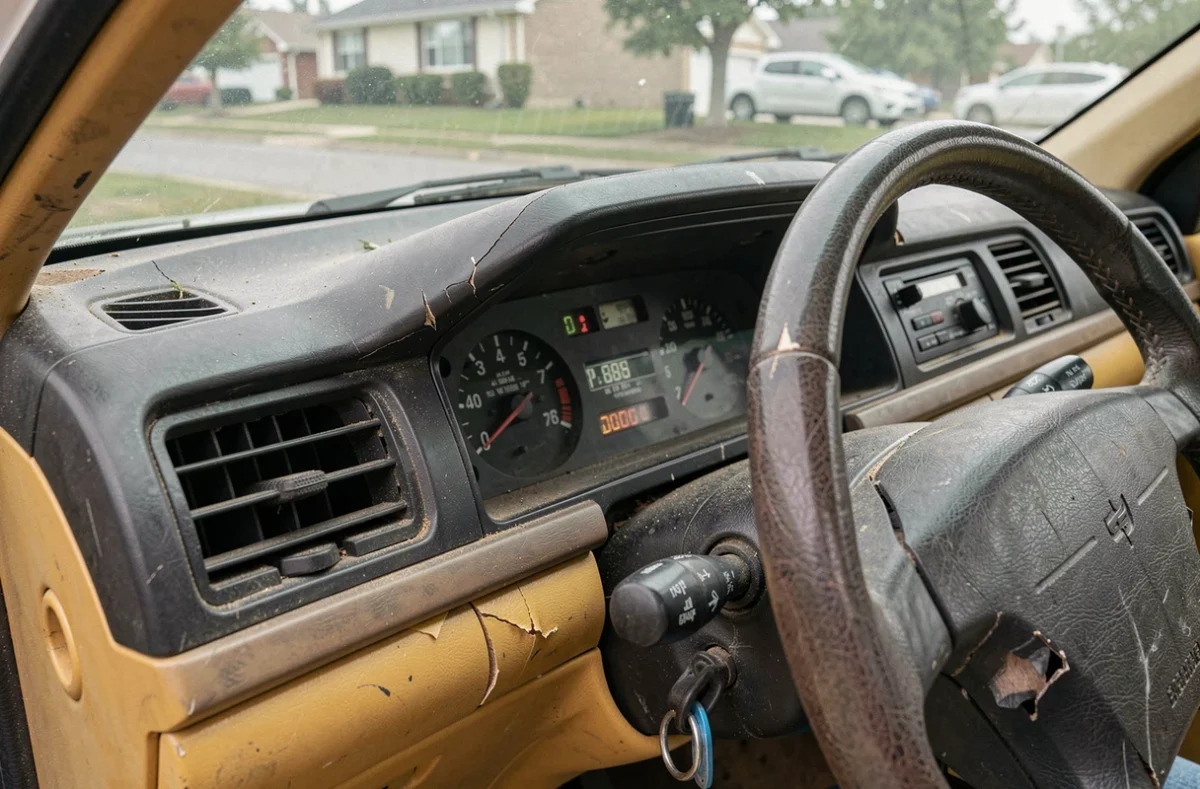
- Photograph the odometer, the illuminated dashboard (warning lights), and the overall condition of the engine on the day of the transaction.
These elements constitute a usable file in case of dispute, whether the sale occurs between individuals or with a professional.
The used car market offers excellent deals provided one targets the right engines and model years. A well-maintained vehicle, with a proven manual transmission and a complete history, remains a solid purchase, regardless of the badge on the hood.