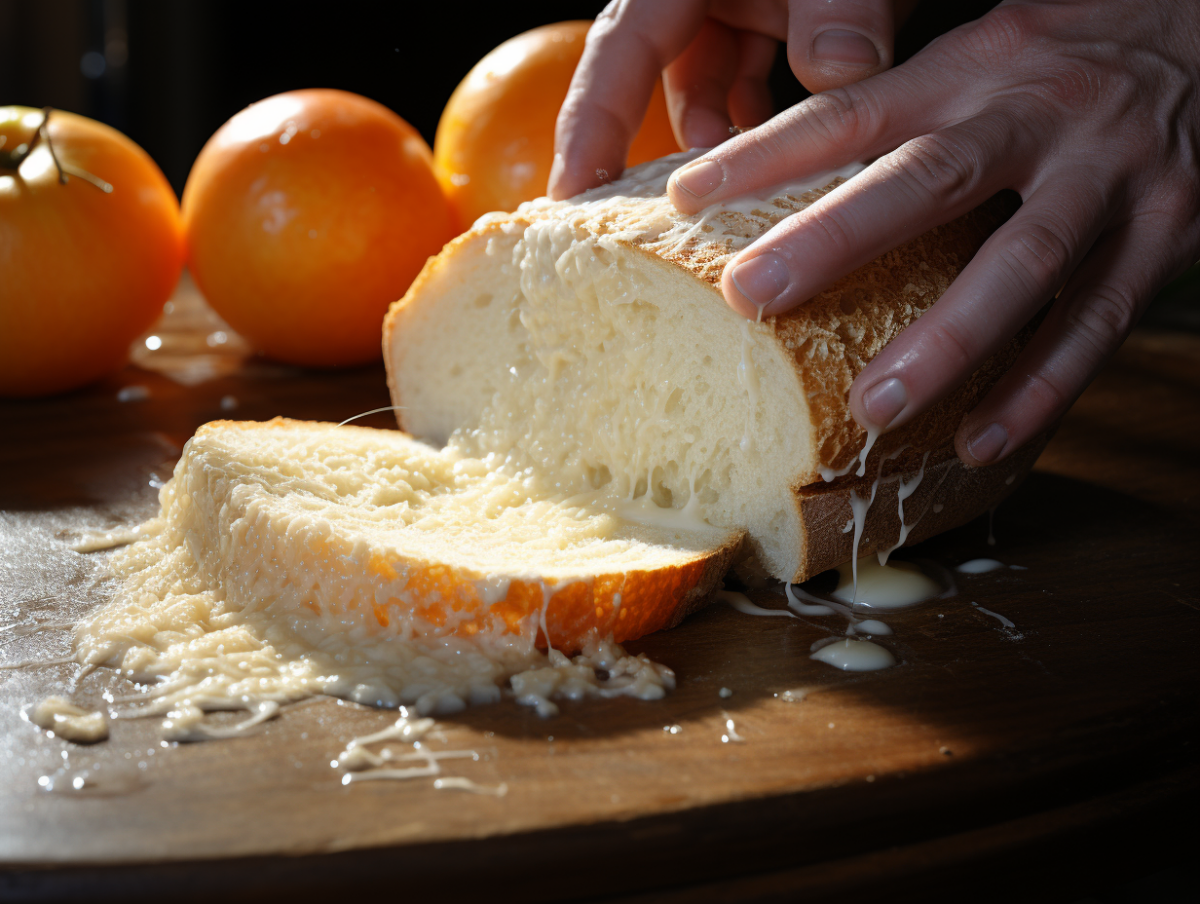
Winter brings its share of culinary delights, notably juicy and sweet clementines. Peeling these small citrus fruits can often prove tedious, especially when one wishes to savor their flesh without the unpleasant bitterness of the white pith. For fans of these winter treats, mastering the art of peeling them with ease is essential. The trick lies in a few simple techniques that ensure optimal tasting.
The secrets to perfect peeling
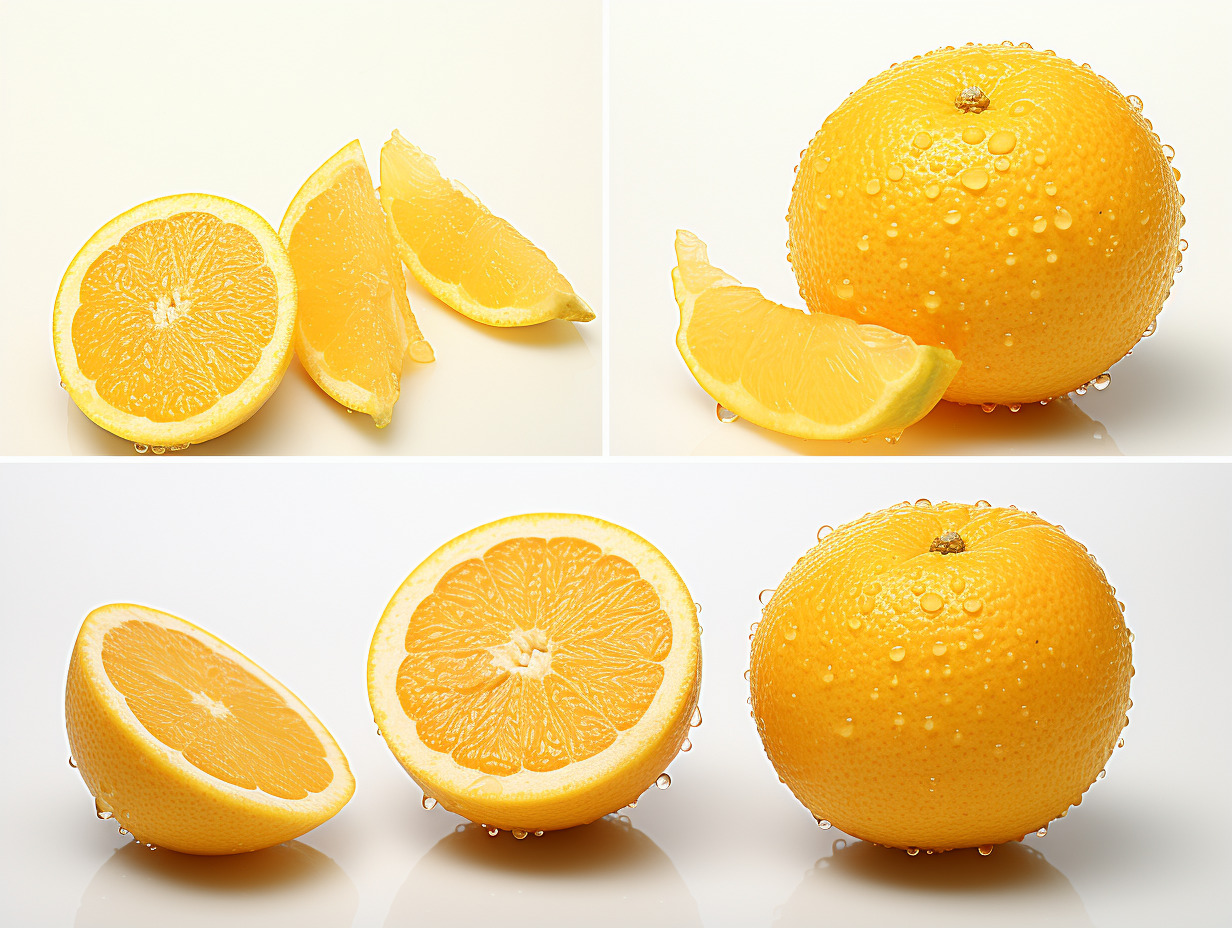
Citrus fruits, these vitamin C-rich fruits, are distinguished by their colorful skin which, once opened, reveals a sticky white pith. Varieties like clementines, oranges, grapefruits, lemons, and limes, all rich in nutrients, require easy techniques to peel citrus fruits to perfection in order to access their pulp without a trace of that characteristic bitterness.
The challenge is significant: to remove this layer without damaging the juicy flesh of the fruit. To do this, equip yourself with the right tools. Indeed, using a sharp knife or a tablespoon can greatly facilitate the task. The movement should be precise and measured, like a surgeon in the middle of an operation, to avoid piercing the segments of the fruit and to preserve all its flavor.
Peeling personalities vary: the adventurous who tries unconventional methods, the hungry who prioritizes speed, the relaxed who takes their time, and the nail fanatic who ensures their hands remain unscathed. Each profile will find in the available resources, such as articles and videos from specialized YouTube channels like Rumble Français, DaveHax, or Benri Lifehack, tips suited to their peeling method.
Don’t overlook the alternative uses for citrus peels. Transform these rinds into orange peel recycling, create candied peels, or make homemade marmalade. These remnants can also serve as a natural indoor fragrance, diffusing a pleasant and refreshing scent. Thus, become aware of the added value that these organic waste represent and incorporate them into your recipes to enrich your dishes with new flavors or create a fragrant orange liqueur.
Alternative techniques and tips
Dive into the world of clementine peeling techniques. Beyond the agile handling of the knife and tablespoon, boiling water comes into play. A brief immersion in boiling water followed by a quick dip in cold water can soften the peel and make it easier to detach. This simple method is particularly suited for peeling personalities seeking efficiency and speed without compromising the quality of the result.
The peeling personality greatly influences the chosen method. The adventurous tests innovative techniques, the hungry opts for speed, the relaxed savors the moment, while the nail fanatic preserves their appearance. Each, like a surgeon in the midst of an operation, can hone their craft by watching tutorials offered by specialized YouTube channels.
The content and sources available to perfect your peeling methods abound on the Internet. From detailed articles to instructional YouTube videos, each resource offers a plethora of tips. Explore channels like Rumble Français, DaveHax, or Benri Lifehack to discover innovative processes tailored to your needs.
As for the alternative uses for citrus peels, let your creativity flow. Peels can be transformed into orange peel recycling, incorporated into candied peels, or invited into a homemade marmalade. The latter, used as indoor fragrance, adds an ecological and economical dimension to your daily life. Recipes also benefit from these additions, whether it’s jams enhanced with zest or delicious orange liqueurs.