
The oil change of a BMW involves replacing the used engine oil and oil filter to maintain lubrication and the longevity of the engine block. The cost of this operation varies depending on the model, type of engine, and especially the chosen service provider, with differences that can exceed half the price between a dealership and an independent specialized garage.
BMW Automatic Transmission Oil Change: The Often Overlooked Service
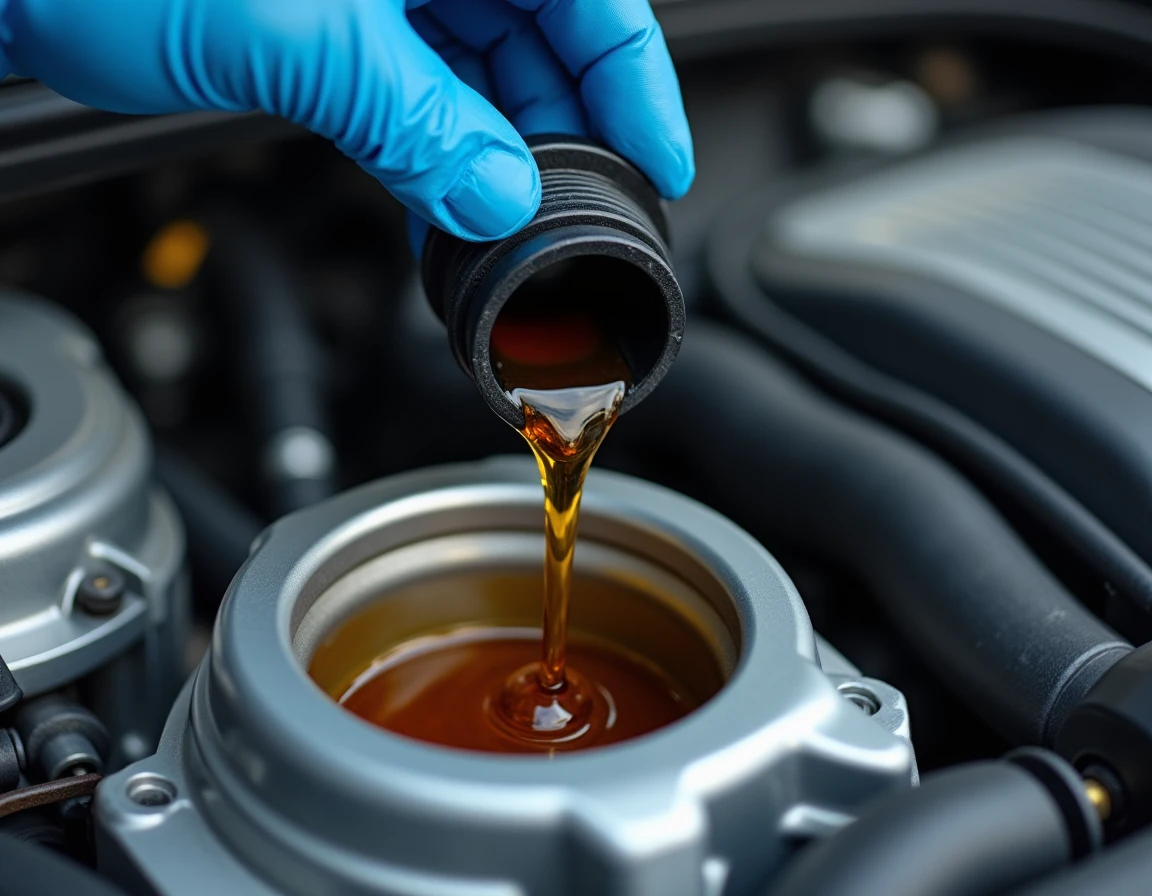
Articles about BMW oil changes almost always focus on the engine. The automatic transmission oil change, on the other hand, represents a significantly higher budget and concerns the majority of recent models equipped with the ZF 8HP transmission.
Specialists offer dedicated packages starting from 499 euros including VAT for this operation, which includes dynamic flushing, ZF-approved ATF oil, and often the transmission filter. At a dealership, the bill increases even more.
Confusion is common: many owners believe that their automatic transmission is “sealed for life” and requires no maintenance. In practice, replacing the transmission oil extends the lifespan of the transmission and prevents jolts during gear shifts, especially beyond 80,000 to 100,000 kilometers according to independent specialists’ recommendations.
To better understand the price of a BMW oil change depending on the type of intervention, distinguishing between engine oil change and automatic transmission oil change is a useful prerequisite.
BMW Engine Oil Change Price: Dealership vs Independent Garage
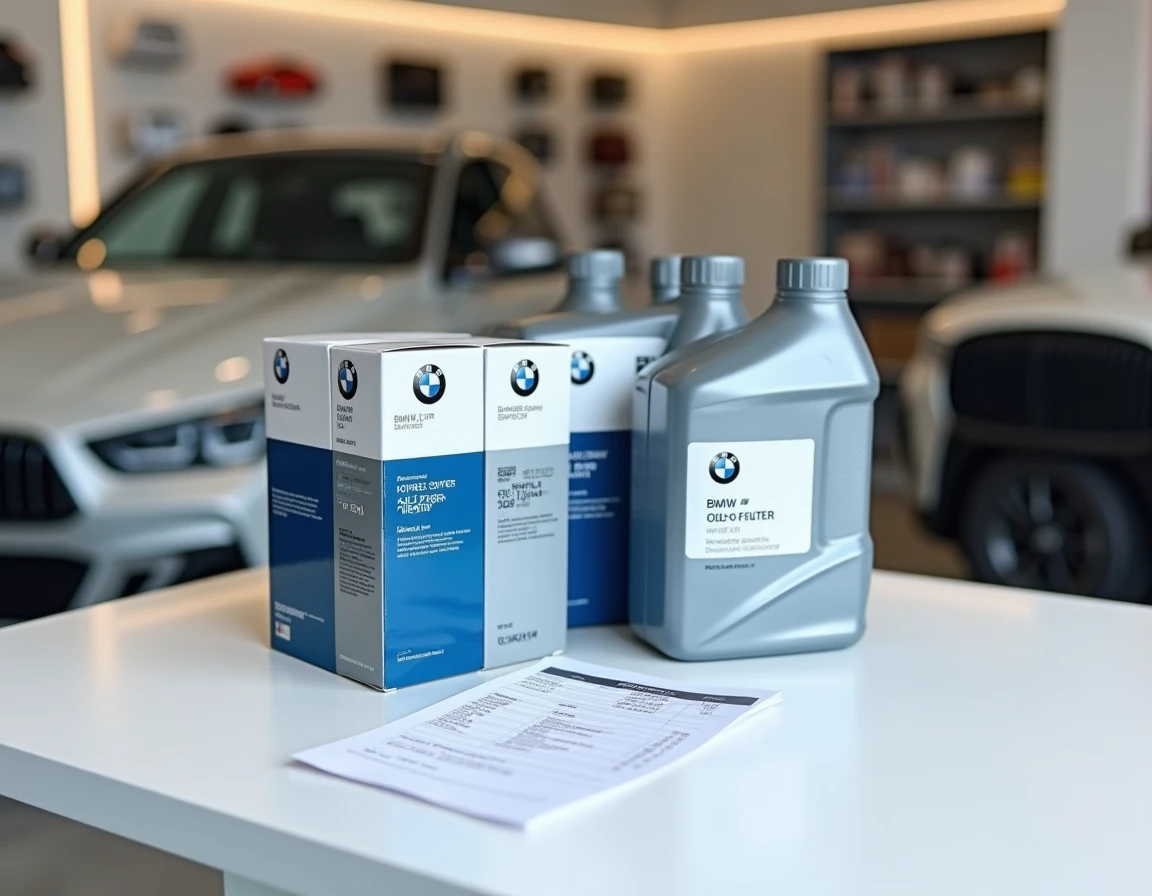
The price of a standard engine oil change (oil and filter) varies widely depending on the chosen channel. At a BMW dealership, the price is significantly higher than at a specialized garage, where the savings can reach 60% for the same service.
What Explains the Price Difference
Three main factors create this difference:
- The hourly labor cost at a premium dealership far exceeds that of an independent workshop, sometimes by a factor of two.
- The oil sold under the BMW label (LL-01 or LL-04 standard) is priced higher at the manufacturer’s counter, while identical approved oils are available from specialized distributors.
- Dealership packages often include a multipoint inspection and updating of the digital maintenance log, which inflates the total even when only the oil change is requested.
An independent garage equipped with a BMW diagnostic tool (ISTA or equivalent) can reset the CBS system (Condition Based Service) after the oil change, allowing for maintenance tracking without necessarily going through the official network.
Full Service: Beyond Just an Oil Change
When the engine oil change is combined with the replacement of filters (air, cabin, fuel on diesel) and checking the brake fluid, it is referred to as a full CBS service. The price at a dealership is then in a significantly higher range. At an independent specialist, the bill remains contained, often around half the dealership price.
BMW Advantage 6+ Offer: The Official Discount to Know
BMW France offers a program called Advantage 6+ / 10+ that provides a discount of 30 to 40% on several routine maintenance operations, including engine oil changes. It is aimed at vehicles over six or ten years old (date of first registration).
The prices displayed under this program are maximum recommended public prices including VAT, published with specific validity dates (the conditions for 2025 run from January 1 to December 31). BMW M engines are excluded from the program, as are most BMW Classic models, with a few exceptions (some Series 5 E39, Series 6 E63/E64, or Z4 E85/E86 produced between 1995 and 2010).
Comparing the Advantage 6+ price with a quote from an independent garage remains the most reliable approach to identify the best option. On some older models, the manufacturer discount makes the dealership competitive, while on others, the specialized garage remains cheaper even after the discount.
BMW Oil Change and Low-Mileage Vehicles: A Common Trap
An owner who drives few kilometers per year may be tempted to postpone the oil change beyond the deadline indicated by the CBS. However, general automotive press reminds us that engine oil also degrades due to oxidation and condensation, even when the vehicle is driven infrequently.
Short and repeated trips (less than ten kilometers) prevent the oil from reaching its optimal operating temperature. Water and combustion residues accumulate, reducing lubricating properties long before the odometer reaches the theoretical threshold.
For a BMW that does not exceed a few thousand kilometers annually, maintaining at least a one-year interval between two oil changes protects the engine without disproportionate extra cost. The CBS does not always detect this chemical degradation of the oil, as its sensors primarily rely on mileage and driving style.
BMW Oil and Filters: The Right Reflexes Before Paying
The choice of oil determines both engine protection and budget. Modern BMWs require long-life oils that meet manufacturer standards (LL-01 for gasoline engines, LL-04 for diesels with particulate filters). Using non-approved oil can lead to premature clogging of the turbo or DPF.
- Check the BMW standard on the container before any purchase, even at a trusted garage.
- Always request a detailed quote separating the price of the oil, filter, and labor.
- Keep the invoice with the exact reference of the oil used: it is an argument in case of resale and proof in case of warranty disputes.
The oil filter must be replaced at every oil change without exception. Some garages may suggest reusing it to reduce costs, a practice that should be categorically refused. A saturated filter allows metallic particles to circulate in the lubrication circuit.
On diesel models, the replacement of the fuel filter follows a distinct schedule, often aligned with the full CBS service rather than the simple oil change. Combining the two interventions reduces the total labor cost.