In France, non-compliance with social obligations exposes the employer to financial and criminal penalties, even in the case of an unintentional administrative error. The Labor Code mandates the retention of certain documents for five years, while others must be archived until the employee’s retirement.
The digitization of HR practices does not eliminate the risk of audits or inspections, but it profoundly changes the tools used to address them. Some software solutions automatically integrate legislative changes, while others require regular manual updates.
Understanding the stakes of HR compliance in France
Ensuring HR compliance goes far beyond merely reading the Labor Code. It triggers an entire ecosystem of processes: data collection and security, management of administrative files, rigorous training tracking, and regular organization of professional interviews. The company has no choice but to justify, at any moment, its mastery of the current rules. An omission, a flaw, and it opens the door to sanctions and disputes.
In this context, data security takes on critical importance, particularly under the impetus of the GDPR. HR managers are required to structure their document management, lock access to sensitive information, and ensure traceability of each consultation. Regulatory reporting and internal control mechanisms become essential allies in anticipating and limiting risks. When an HR audit occurs, whether initiated by labor inspection or as part of an internal control, the ability to quickly gather complete and reliable information makes all the difference.
This is where HR management software comes into play: it orchestrates payroll, training tracking, and skill development while ensuring compliance. The Lucca Solutions illustrate what a specialized platform can offer to support companies in managing these multiple obligations. Their approach equips the management of legal requirements and facilitates audit preparation. For HR teams, it is a concrete way to structure and ensure reliability at every stage of the employee journey, from recruitment to skill development, while maintaining control over data security and the regulatory framework.
Overview of HR management software: types, features, and concrete benefits
The French market for HR management software is undergoing a profound transformation, driven by the need to ensure compliance at every stage of the employee’s life. The term HRIS encompasses many solutions covering personnel management, payroll, skills tracking, and training planning. These tools rely on interconnected modules, accessible via cloud or SaaS, and integrable through APIs.
Main types
Here are the main categories of HR software that structure the current market:
- Global HRIS software: it centrally manages HR administration, automates processes, and allows for the management of the entire human capital.
- Specialized modules: leave management, time tracking, HR reporting, or detailed data analysis.
- Automation solutions: they reduce repetitive tasks, ensure reliable data management, and guarantee traceability.
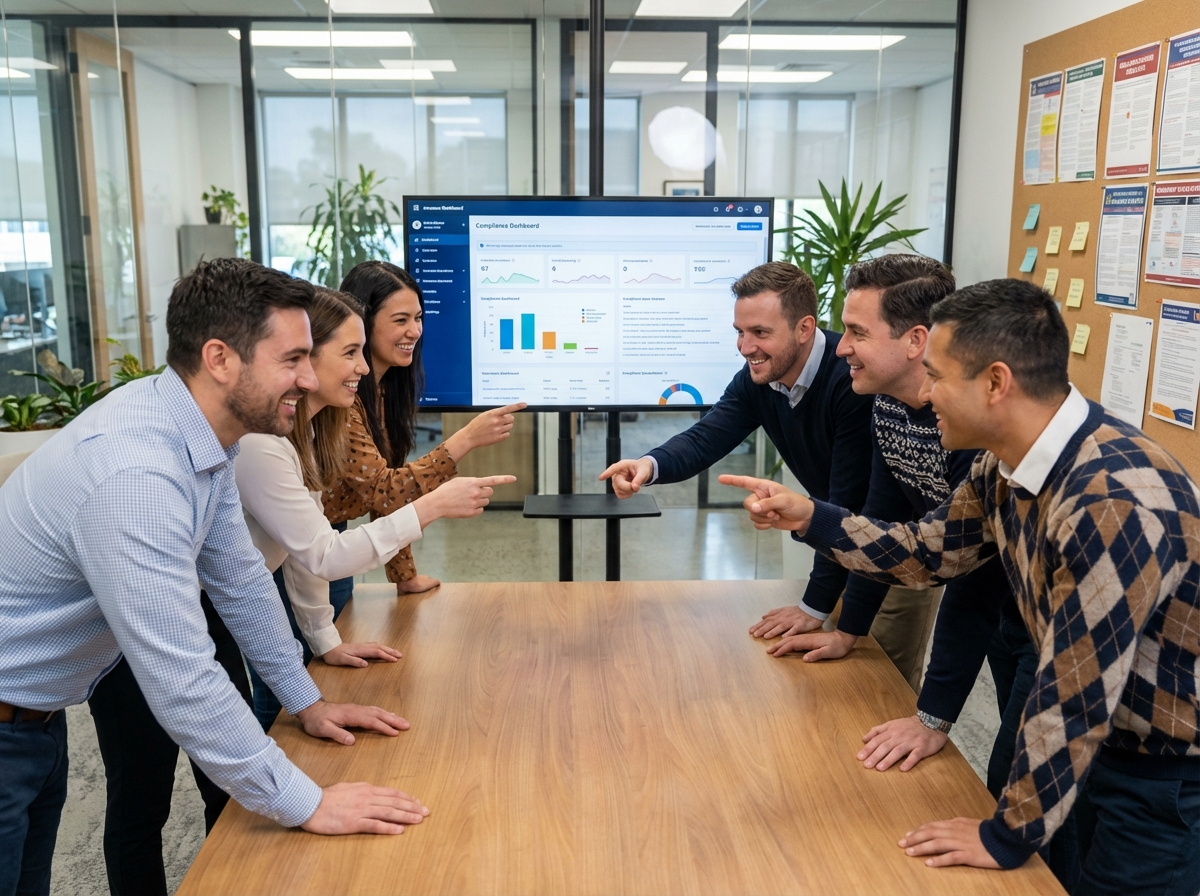
HR digitization changes the game. The interfaces, designed to be intuitive, facilitate user adoption, limit errors, and accelerate the management of obligations. HR dashboards provide an immediate overview of key indicators: workforce evolution, training progress, compliance of interviews. Thanks to automation and analytics, HR departments can finally focus on strategy, leaving the tool to ensure daily compliance.
Security remains a constant priority: secure access, refined rights management, and compliance with the GDPR are established as standards. The integration of workflows, communication with other internal tools of the company, and the ability to produce reliable regulatory reporting: all of this shapes the reality of HR services today.
What criteria to prioritize when choosing HR software suitable for your company?
The choice of HR software is not limited to listing features. The first step is to accurately assess your needs: payroll management, leave automation, skill development planning, regulatory reporting, time tracking… Each organization, whether a small business, medium-sized enterprise, or larger company, imposes its own requirements.
The customization of the software should guide your decision. Prefer a scalable tool that offers specialized modules and configuration options, capable of adapting to your daily processes and regulatory constraints. User experience should not be overlooked: a pleasant interface, mobile access, and ease of use facilitate adoption by teams and limit resistance to change.
Data security leaves no room for approximation. Solutions aligned with the GDPR ensure the protection of employees’ sensitive data and the traceability of actions. It is essential to verify the existence of encryption protocols, advanced access rights management, and compatibility with existing authentication systems.
Customer support also matters: responsive and competent assistance simplifies the resolution of technical difficulties and supports deployment. The availability of online training and clear documentation allows HR managers to gain autonomy.
The openness of the software, via APIs, and cloud compatibility represent an asset for integrating the solution into the company’s ecosystem. This flexibility supports HR digitization, anticipates regulatory changes, and optimizes human resource management while preparing the organization to meet the challenges of tomorrow.
In the face of the increasing complexity of labor law and the acceleration of HR transformations, choosing management software is not just a technical purchase: it is a real bet on solidity, responsiveness, and daily peace of mind. Compliance then becomes a reflex, integrated into the heart of every process. The company moves forward, standing tall, ready to face inspections and to value its talents.