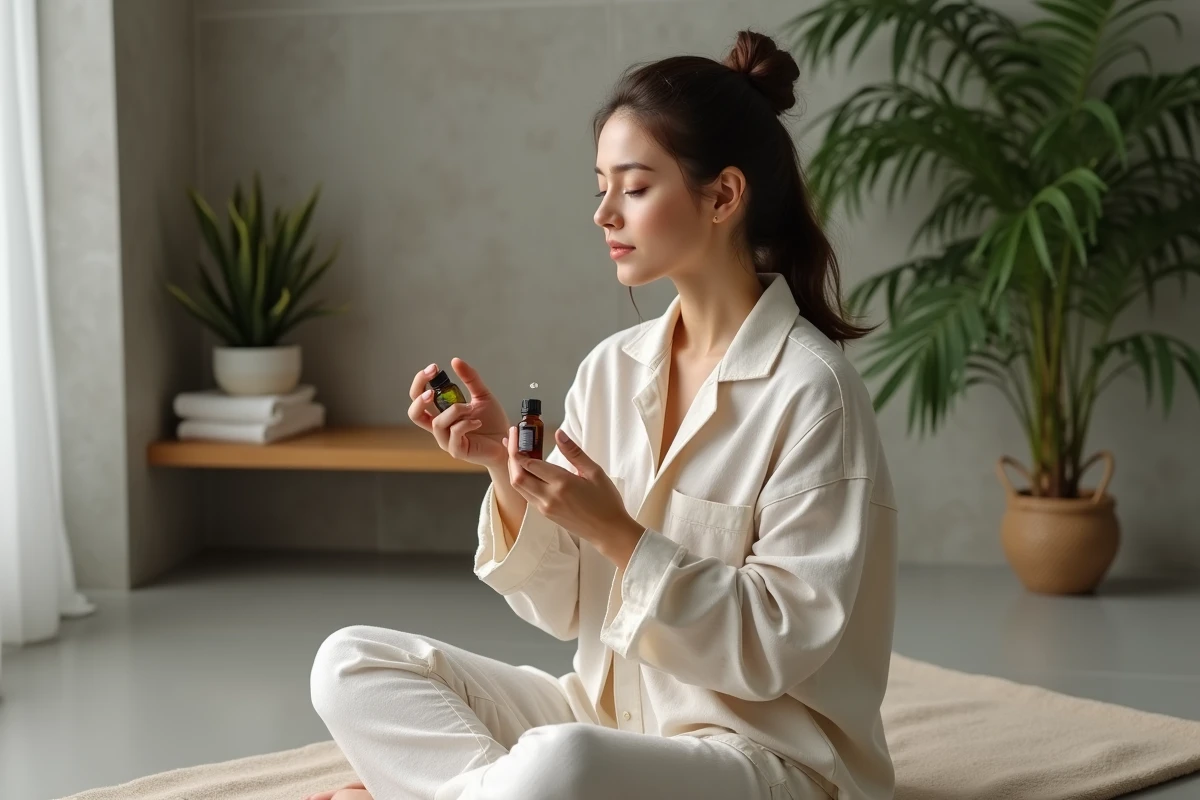
The lymphatic system eliminates nearly two liters of interstitial fluid per day. However, its functioning remains largely ignored outside the medical field. Certain carefully chosen essential oils act on the natural elimination mechanisms and microcirculation, while fitting into the tradition of European aromatherapy.
Contrary to popular belief, lymphatic drainage is not limited to massage or daily walking. The intervention of targeted plant extracts enriches the range of solutions, and this is not merely a trend: recent physiological research supports this complementary approach. By opting for natural methods, through precise active ingredients and appropriate gestures, we support the balance of flow without disturbing the body.
Why lymphatic drainage is essential for well-being
The lymphatic system works quietly, but its presence deeply regulates the body’s vitality. While blood circulation distributes, lymphatic circulation cleanses: toxins, excess fluids, metabolic waste. In case of slowdown, concrete phenomena set in: heavy legs, orange peel skin, edema, and even episodes of inflammation. Not everyone is equally exposed, but sedentary lifestyles, unbalanced diets, and certain hormonal factors exacerbate the phenomenon.
Implementing lymphatic drainage, whether through specialized gestures or the support of lymphatic essential oils, provides a real boost. This action addresses the sensation of swelling, but not only: it also helps to energize immunity, reduce inflammatory signs, and make a real difference in overall feelings. For a practical approach, essential oils for lymphatic drainage on Pharmidea easily integrate into daily life, alongside reasonable physical activity and mindful eating.
Incorporating this routine is not yielding to a trend, but responding to a need that arises in sedentary lifestyles. Providing this support to the lymphatic system translates to more dynamism, a feeling of lightness, and sometimes a more even skin appearance. Day after day, these actions lay the groundwork for a well-being that we actively shape.
Which essential oils are recognized for supporting lymphatic circulation?
Some aromatic extracts stand out for their targeted effects on lymphatic circulation. Specialists recommend several oils, preferably chosen with guarantees of traceability and organic production:
- The Provence cypress (Cupressus sempervirens) is a must-have for firming vessels and alleviating the sensation of heavy legs.
- The mastic tree (Pistacia lentiscus) is sought after for its decongestant action on localized edema and persistent cellulite.
- The Atlas cedar (Cedrus atlantica) complements this palette with its beneficial properties on retention and the appearance of the silhouette.
- The rosemary with verbenone (Rosmarinus officinalis CT verbenone) acts gently, ideal for progressive drainage without skin irritations.
- The peppermint (Mentha piperita) introduces a refreshing effect and improves microcirculation, enhancing the impact of the blend.
Exercise caution: the use of these oils is not recommended for pregnant or breastfeeding women, and for children under six years old. Reading the technical sheet of each extract before application is essential.
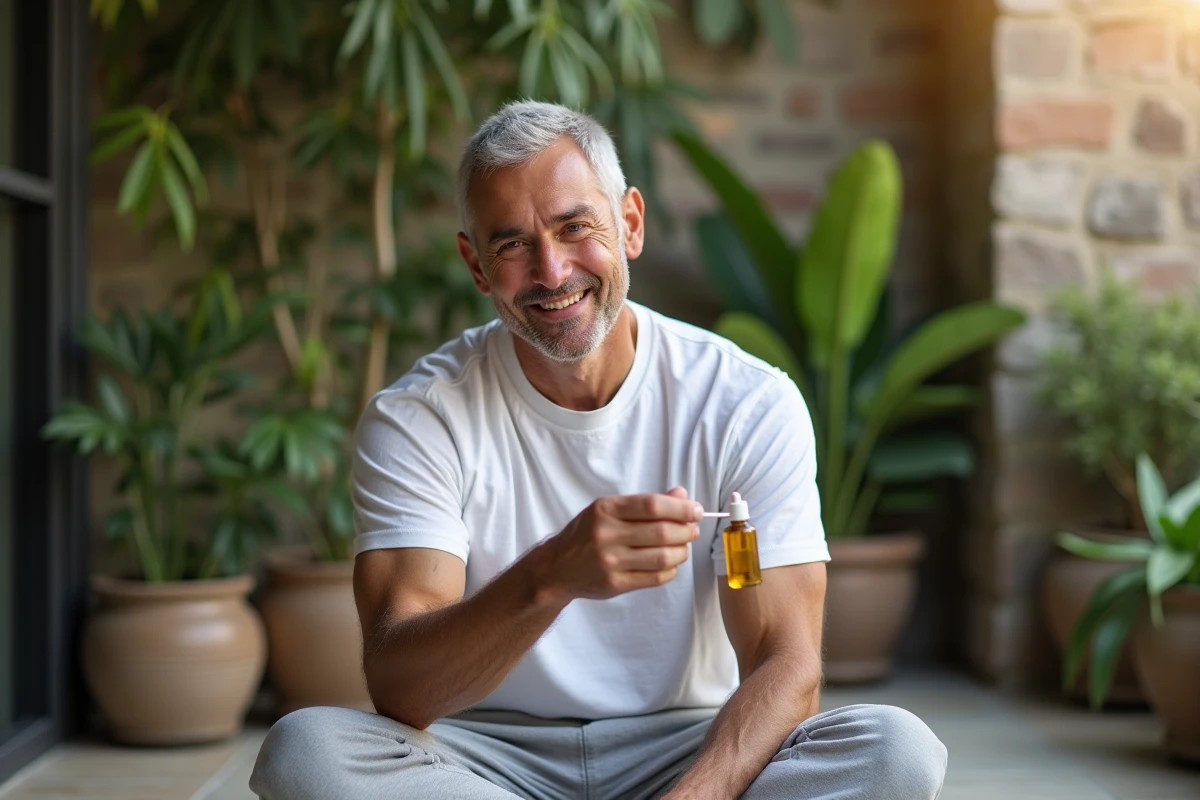
Practical tips for integrating essential oils into your lymphatic drainage routine
An effective routine relies on regularity and simplicity. To benefit from the virtues of essential oils, simply dilute a few drops of Provence cypress or mastic tree in a gentle vegetable oil, such as macadamia or sweet almond oil. This carrier protects the skin while aiding in optimal diffusion of the active ingredients. Then massage the legs upwards from the ankles to the thighs, respecting the direction of lymphatic return.
- To prepare a massage oil, count 3 to 4 drops of essential oil for one tablespoon of vegetable oil, then proceed with slow, circular movements from bottom to top.
- Aloe vera gel can serve as an interesting base in cases of marked retention or when the skin needs freshness and enhanced hydration.
- The best time for this ritual? In the evening, after a sedentary day, to stimulate circulation and soothe accumulated tension.
Keep in mind two major precautions: never use these blends on pregnant or breastfeeding women or young children, and avoid sun exposure immediately after application.
The strength of this routine lies in its consistency. Combined with a minimum of movement and good hydration, it truly helps limit water retention and fluidify circulation. Valuing essential oils in daily hygiene means adopting a gesture that is both simple and impactful, capable of supporting the body throughout the seasons, between active prevention and self-care.
After a few weeks, the difference becomes apparent: liberated circulation, more dynamic legs, and the quiet conviction of having regained control over one’s vital momentum.